Protecting the Family Home: Asset Protection Strategies for Long-Term Care Planning
Posted on March 15, 2026 by shieldsandboris
Long-term care is extremely expensive. The annual cost of a nursing home in Pennsylvania can easily run into the six figures. Given the challenges, it is imperative that families are prepared. You need to know how to protect your assets, especially the family home. As stressful as the process can be, the good news is that there are a number of different asset protection strategies available. Our Pennsylvania elder law attorneys can provide long-term care planning and asset protection strategies to help protect your family home.
The Family Home is Often One of the Most Valuable Assets
For many Pennsylvania families, the primary residence represents the largest asset in the household estate. A home may hold decades of accumulated equity. According to data from Zillow, the median home in the Commonwealth in early 2026 is now worth more than $275,000. Of course, many homes are worth far more than that. For good reason, families often view the property not only as a financial asset but also as an inter-generational resource intended to pass to children or other heirs. Here is the big challenge: Long-term care costs can place that asset at risk.
Know the Threat Posed By Long Term Care Costs
Long-term care services create extraordinary financial pressure. Skilled nursing facilities in Pennsylvania often charge more than $10,000 per month. A prolonged stay can quickly consume retirement savings and other household assets. However, contrary to many people’s misconceptions, Medicare does not cover extended custodial care in a nursing home. Instead, Medicaid is the public program that becomes the primary public benefit program that pays for long-term care. However, Medicaid only covers care when strict financial eligibility requirements are met.
Medicaid rules have big implications for your family home. The Medicaid eligibility rules create the central planning challenge. Applicants must meet income and resource limits to qualify for coverage. A primary residence may receive limited protection during the applicant’s lifetime if certain conditions apply, but that protection does not eliminate the risk entirely. Pennsylvania participates in the Medicaid estate recovery program. After the recipient’s death, the state may assert a claim against the estate to recover benefits paid for long-term care services. If the home remains part of the estate at death, the property may become the target of that recovery claim.
An Overview of Asset Protection Strategies to Protect the Family Home in Pennsylvania
Although long-term care costs can potentially pose a tremendous financial risk to your assets, there is good news! There are proactive strategies that you can use to help ensure that the family home is best protected under the law. Indeed, there are several legal strategies that can reduce the risk that long-term care costs will consume the value of the family home. Each option carries legal requirements and potential consequences. Asset protection planning is very time-sensitive. The best time to start protecting the family home is now. An experienced Pennsylvania long-term care planning lawyer can help.
Here is an overview of some notable asset protection strategies:
- Medicaid Asset Protection Trust (MAPT): A Medicaid asset protection trust allows a homeowner to transfer the residence into an irrevocable trust while retaining limited rights to use the property. The trust becomes the legal owner of the home. If the transfer occurs outside the Medicaid five-year lookback period, the residence may fall outside the applicant’s countable assets for eligibility purposes. The homeowner may continue living in the property, but the trust structure removes the asset from the applicant’s estate for Medicaid recovery purposes. It is often the best option for families in Pennsylvania. However, it needs to be set up at least five years before long-term care needs arise.
- Irrevocable Trust Planning: Some families use broader irrevocable trust planning to move the residence and other assets outside the individual’s personal ownership. Once the transfer occurs, the individual no longer controls the property in the same way as before. That loss of control represents the trade-off for potential asset protection. When structured properly and implemented well before the need for care arises, an irrevocable trust can prevent the home from becoming available to satisfy long-term care costs.
- Life Estate Deeds: Pennsylvania law permits a homeowner to transfer the remainder interest in a property to children or other beneficiaries while retaining a life estate. The life estate allows the parent to continue living in the home for the remainder of their life. Upon the parent’s death, full ownership passes automatically to the remainder beneficiaries.
- Caregiver Child Exemption Transfers: Federal Medicaid rules recognize a limited exemption that allows a parent to transfer a home to a child who provided care for at least two years before the parent entered a nursing facility. The caregiving must have delayed the parent’s need for institutional care. If the exemption applies, the transfer may occur without leading to any Medicaid transfer penalty. That can be a huge benefit in some cases.
We are leaders in Asset Protection and Long Term Care Planning in Pennsylvania
The Elder Law Offices of Shields & Boris is a boutique elder law and estate planning firm that provides a broad range of long-term care planning services to people and families in Western Pennsylvania. Our attorneys have the knowledge and experience to help you with all types of asset protection strategies. Let us help you put the right plan in place to protect the family home. Your initial consultation with our Pennsylvania elder lawyer is fully confidential and without obligations.
Call Our Pennsylvania Asset Protection Lawyer Today
At The Elder Law Offices of Shields & Boris, our Pennsylvania asset protection attorneys have the experience you can trust. If you have any questions about the long-term care planning strategies to protect your family home, we are here to help. Give us a call at (724) 286-4745 or contact us online for a completely confidential consultation. Our elder law team provides asset protection representation to people and families throughout Western Pennsylvania.

A Guide to Alzheimer's Care
Planning for someone who has Alzheimer’s disease can be complicated. Proper planning in advance can help alleviate many frustrations as the disease progresses. The time to act is now. Learn the steps for proper planning from our eBook to ensure that things are handled according to your wishes and that you’ve taken the best steps possible to protect your loved ones and your family’s financial security.
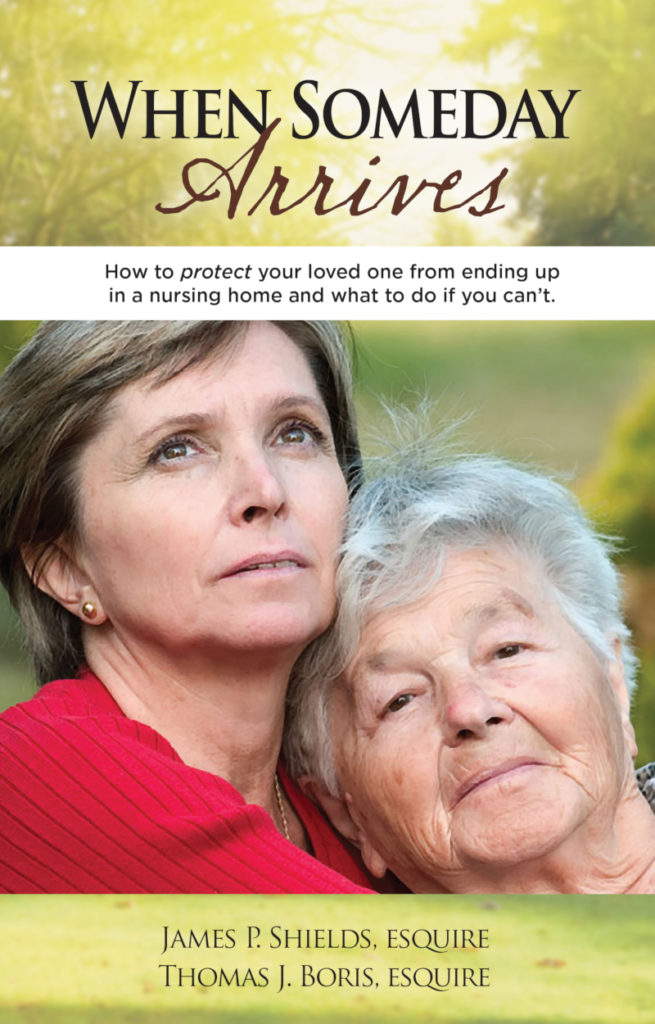
When Someday Arrives
We wrote this book for retirees and child caregivers as a tool to allow you to stay at home as long as possible and as a guide of what to do if you or a loved one cannot stay at home. We believe every family has a legacy to protect, and it is our job to protect that legacy. The greatest risk to today’s retiree is a long-term care health crisis. Request your copy today to prepare for what the future holds.
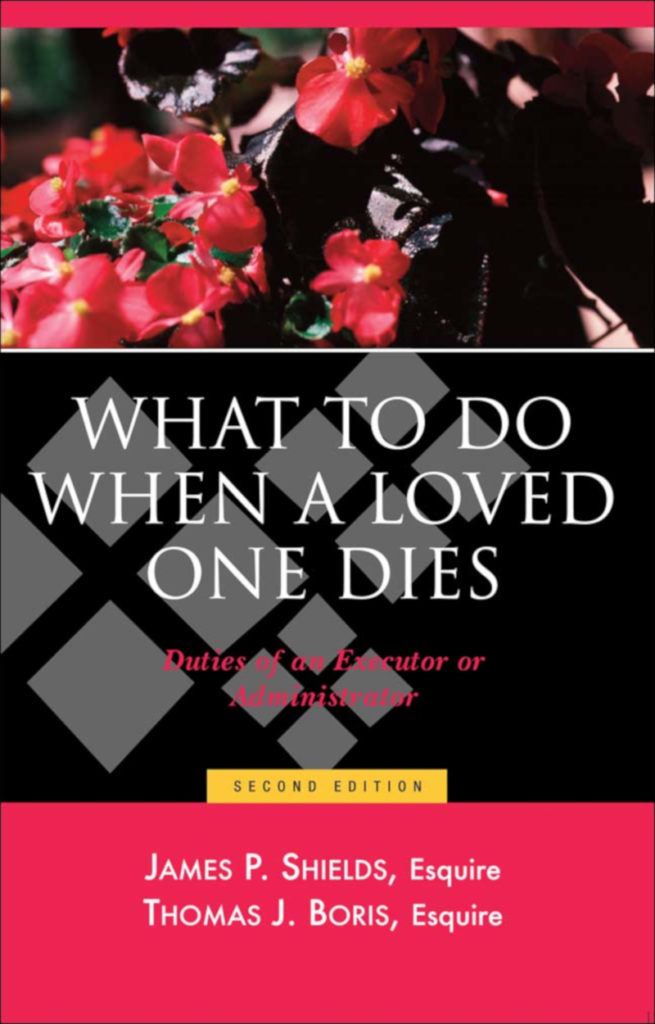
What To Do When A Loved One Dies
Consumers and financial planners, use this book as a down-to-earth primer of estate planning and elder law! Learn about the duties, rights, and responsibilities of the executor or administrator of an estate and what you should expect from competent legal counsel when you have to probate an estate. Find tools such as a guide to help you retain competent counsel and even an estate organizer so you can organize your own affairs.
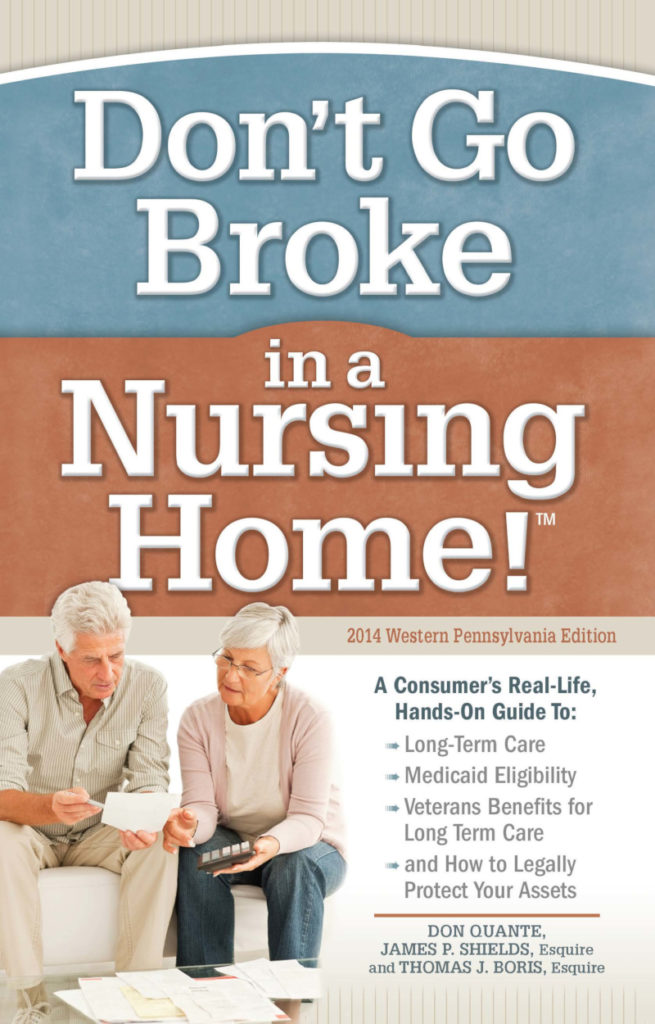
Don't Go Broke in a Nursing Home
Take back control of your life and provide excellent long-term care for your aging loved ones without going broke in the process. Find creative financial strategies to protect your assets and the quality of care you receive. In addition, learn about little-known tax incentives, how to choose the right home care providers, long-term care facilities, and how to manage the crisis.