Probate vs. Non-Probate Assets: What You Need to Know to Plan Effectively
Posted on December 13, 2025 by shieldsandboris
Asset protection matters. A proactive approach can put you and your family in the best possible position to plan for the future. One of the big considerations that you need to keep in mind is whether property/assets are probate or non-probate. At The Elder Law Offices of Shields & Boris, we are proud to be leaders in estate planning and elder law in Western Pennsylvania. Our Pennsylvania elder law attorney can explain the difference between probate and non-probate assets.
Background: What is Probate?
The American College of Trust and Estate Counsel explains that probate “is important because it involves the legal process of distributing a deceased person’s assets and settling their debts.” Probate is the legal process through which a person’s estate is settled in Pennsylvania. Much of the personal property owned by a person will go through probate when they pass away. However, there are some exceptions. Certain types of property can qualify as a “non probate” asset. That means that it can pass directly to heirs/beneficiaries outside of formal probate.
How does probate work? In Pennsylvania, it begins when the personal representative files the will and supporting documents with the Register of Wills. If the decedent did not leave a valid will, the estate proceeds under Pennsylvania’s intestacy rules. Along with other things, probate involves identifying assets, notifying heirs and creditors, paying debts, resolving claims, and distributing the remaining property to the proper beneficiaries. Notably, in the Commonwealth, the Orphans’ Court oversees disputes and ensures compliance with statutory requirements.
Understanding Probate vs. Non-Probate Assets in Pennsylvania
When you are putting together an estate plan for yourself or a family member in Pennsylvania, it is important to understand the distinction between probate assets and non-probate assets. The difference can have a big impact on your rights and your options. Here is an overview of the key things to know about probate vs. non-probate assets in Pennsylvania:
- Probate Assets: In Pennsylvania, probate assets include individually owned property with no beneficiary designation. Along with other things, this includes stand-alone bank accounts, personal property, individually titled real estate, and investment accounts with no transfer designation. These items require the personal representative to inventory, value, and manage them under court supervision. In Pennsylvania. Probate assets also include any personal property that the decedent failed to transfer into a trust before death.
- Non-Probate Assets: In Pennsylvania, non-probate assets are those that bypass the estate entirely. In other words, they do not transfer through the formal probate process. These assets transfer directly to a named beneficiary or surviving co-owner. Common examples include life insurance policies with beneficiary designations, retirement accounts with named beneficiaries, accounts titled jointly with rights of survivorship, payable-on-death or transfer-on-death accounts, and assets held in a funded revocable living trust. These transfers occur outside of the probate process.
Note: Pennsylvania’s inheritance tax applies to both probate and non-probate assets. The distinction affects procedure, not tax exposure. Too many families confuse this point. An asset that avoids probate does not always avoid inheritance tax. The advantage of non-probate status is generally administrative efficiency, not the automatic elimination of state-level tax liability.
Why Non-Probate Assets Can Be Easier to Manage
There are a number of estate planning advantages associated with non-probate assets. Indeed, it is a category of property that can allow for faster and more predictable distribution. These assets transfer based on existing legal mechanisms rather than court supervision. Beneficiary designations and survivorship titles operate without delay. It matters for families who need access to funds during the weeks after death. Here are some specific examples:
- Life insurance proceeds and retirement accounts often provide immediate liquidity.
- Joint accounts continue to function without interruption.
Another big advantage is that non-probate assets also offer greater privacy. Probate filings become part of the public record. Anyone can review the inventory and see what property the decedent owned. Non-probate transfers do not appear in those filings. Families with privacy concerns often use beneficiary designations and trusts to limit the amount of information disclosed publicly.
With non-probate assets, the administrative burden is also lower. The personal representative does not need to secure valuations, manage assets, or obtain court approval for distribution. This reduces fees, delays, and the risk of disputes. Beneficiary designations allow for direct transfer to the intended recipient.
Probate Assets Can Become Non-Probate Assets
Assets are not set in stone as “probate” or “non-probate.” In fact, in Pennsylvania, it is sometimes possible to take action to turn probate assets into non-probate assets. The process requires planning, clear intent, and careful coordination to avoid accidental transfers or tax problems. Here are some of the most common ways to do it in Pennsylvania:
- Updated Beneficiary Designations: For example, you can update beneficiary designations on life insurance policies, retirement accounts, and financial accounts. By doing so, you can often convert those items into non-probate assets.
- Creation of a Trust: The person can also create and fund a revocable living trust. Assets transferred into the trust during life normally avoid probate because they become trust property, not estate property. There are many different types of trusts, and they can be used to achieve different goals.
We Help Families With Probate and Non-Probate Assets
Asset protection is complicated. A proactive approach is the best approach. At The Elder Law Offices of Shields & Boris, we are committed to helping families in Pennsylvania find solutions that actually work for their situation. With experience dealing with both probate assets and non-probate assets, we are prepared to invest the time, resources, and attention to detail to handle your case the right way. Your initial consultation with our Pennsylvania elder lawyer is fully confidential.
Contact Our Western Pennsylvania Elder Law Attorney Today
At The Elder Law Offices of Shields & Boris, our Pennsylvania elder law attorney is always prepared to protect the rights of clients and their families. If you have any questions or concerns about probate assets and/or non-probate assets, we are here to help. Give us a call at (724) 235-7939 or contact us online today for a fully confidential consultation. We provide estate planning and elder law services throughout Western Pennsylvania.

A Guide to Alzheimer's Care
Planning for someone who has Alzheimer’s disease can be complicated. Proper planning in advance can help alleviate many frustrations as the disease progresses. The time to act is now. Learn the steps for proper planning from our eBook to ensure that things are handled according to your wishes and that you’ve taken the best steps possible to protect your loved ones and your family’s financial security.
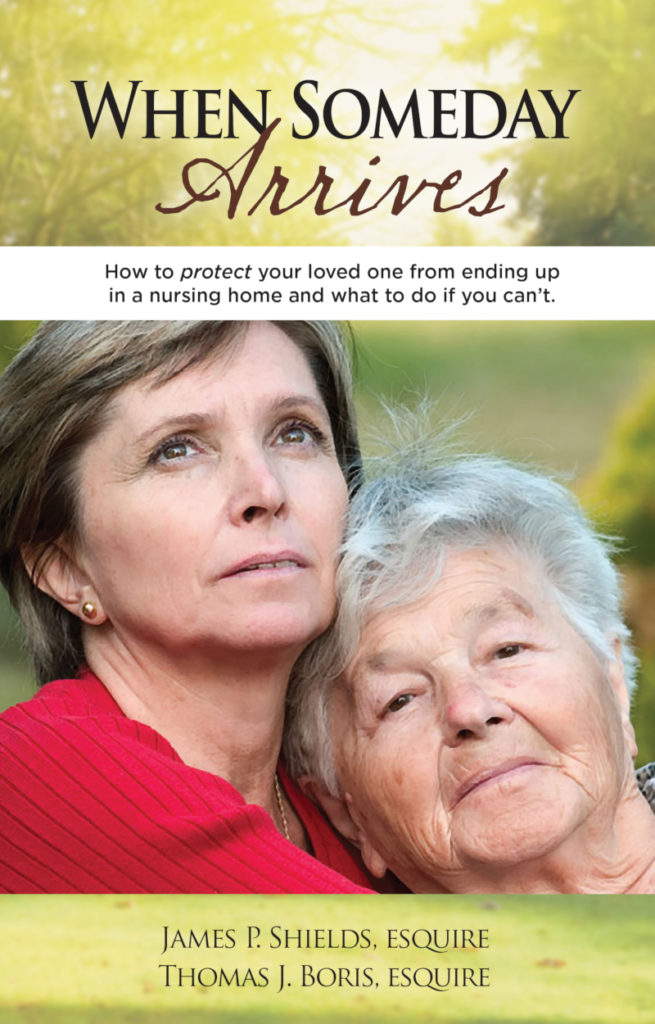
When Someday Arrives
We wrote this book for retirees and child caregivers as a tool to allow you to stay at home as long as possible and as a guide of what to do if you or a loved one cannot stay at home. We believe every family has a legacy to protect, and it is our job to protect that legacy. The greatest risk to today’s retiree is a long-term care health crisis. Request your copy today to prepare for what the future holds.
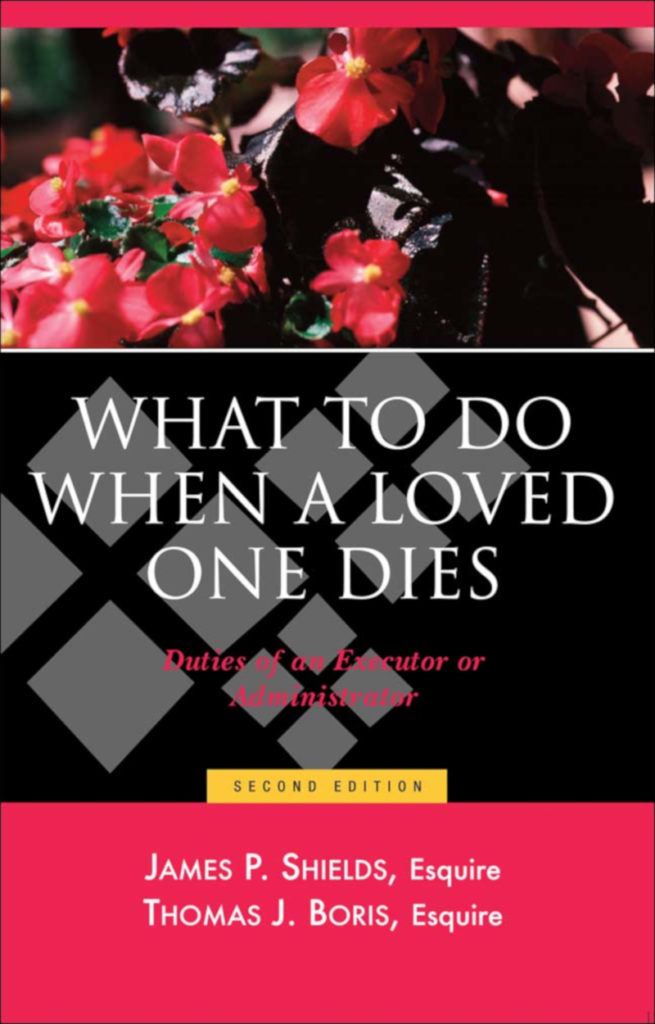
What To Do When A Loved One Dies
Consumers and financial planners, use this book as a down-to-earth primer of estate planning and elder law! Learn about the duties, rights, and responsibilities of the executor or administrator of an estate and what you should expect from competent legal counsel when you have to probate an estate. Find tools such as a guide to help you retain competent counsel and even an estate organizer so you can organize your own affairs.
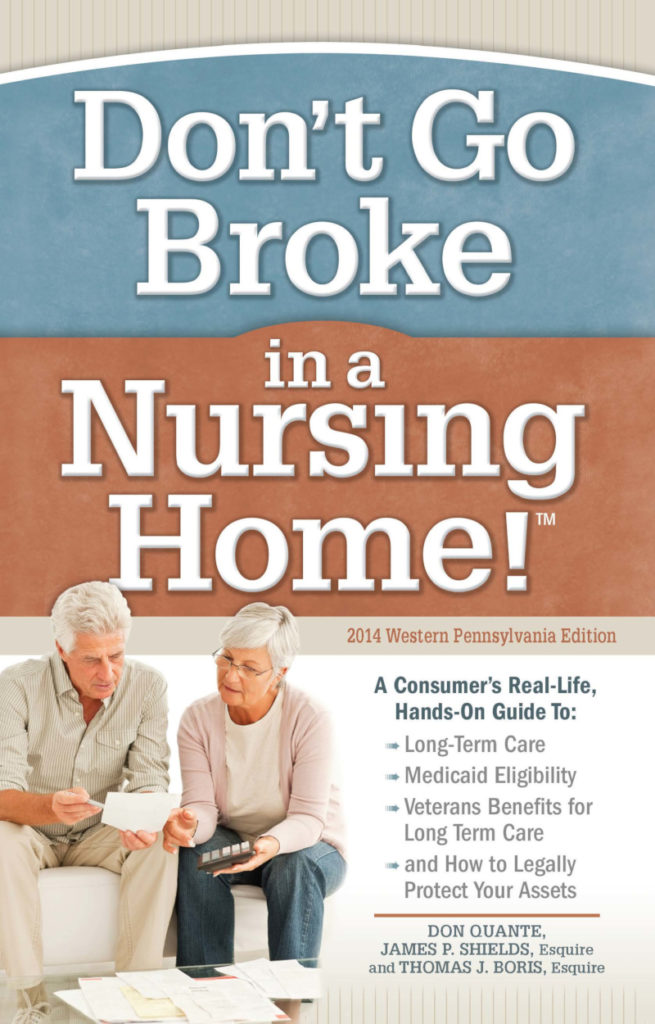
Don't Go Broke in a Nursing Home
Take back control of your life and provide excellent long-term care for your aging loved ones without going broke in the process. Find creative financial strategies to protect your assets and the quality of care you receive. In addition, learn about little-known tax incentives, how to choose the right home care providers, long-term care facilities, and how to manage the crisis.