
When and Why a Living Trust Makes Sense for Your Estate Plan
Posted on April 6, 2026 by shieldsandboris
Estate planning is about setting yourself and your finances up for the future. For most people, the process starts with a will. However, a will is not by itself a comprehensive estate plan. A living trust can be a very useful option for many people and families. At The Elder Law Offices of Shields & Boris, we are leaders in proactive estate planning. Our Pennsylvania estate planning attorney can help you create a living trust as part of a comprehensive estate plan.
What is a Living Trust?
A living trust (revocable living trust) is one of the most common estate planning tools in Pennsylvania. Broadly explained, it is a legal arrangement in which a person (the “grantor”) transfers ownership of assets into a trust during their lifetime for the benefit of designated beneficiaries. The grantor will then (usually) serve as the initial trustee. Further, he or she will retain full control over the trust assets while alive. Upon incapacity or death, a successor trustee steps in to manage or distribute the assets according to the terms set forth in the trust instrument.
Under Pennsylvania law, a living trust functions as a will substitute. It allows assets titled in the name of the trust to pass outside of probate. That is a legal distinction that matters. Probate in Pennsylvania is a court-supervised process that is governed by Title 20 of the Pennsylvania Consolidated Statutes. It can require formal filings, notice to heirs and creditors, and administrative costs. A properly funded living trust avoids that process for trust assets.
Reasons Why a Living Trust May Be the Right Strategy for Estate Plan
Are you considering setting up a living trust as part of your estate plan? It may be a great option for your specific situation. There are a number of different reasons why people and families in Pennsylvania opt for revocable living trusts as an estate planning tool. Here is an overview of some of the most notable advantages of living trusts:
- Keep Assets Out of Probate: The most common reason why people set up a revocable trust is to avoid (or at least limit) probate. Assets held in a living trust pass outside of probate. Why is that a benefit? Probates can be long and complicated. A living trust can limit court involvement, administrative delays, and public filings. In Pennsylvania, probate requires formal steps that can take months (or longer) to complete. A successor trustee can act immediately. That means a far faster distribution of assets.
- Continuity of Asset Management in Incapacity: Another big advantage of a living trust provides a built-in mechanism for incapacity planning. If the grantor becomes incapacitated, the successor trustee can step in and manage trust assets without the need for exercising the power of attorney or obtaining a court-appointed guardian.
- Flexibility: Unlike irrevocable trusts, a revocable trust can be changed by the person who created it. In other words, you are not required to give up control over your assets in order to properly set up this type of trust. Flexibility is a real advantage.
- Privacy: Probate proceedings are public. In other words, your will can become part of the public record once filed with the Register of Wills. In contrast, a living trust operates privately. The terms of the trust, the identity of beneficiaries, and the nature of the assets do not become public information.
- Greater Control Over the Terms of Distribution: Another advantage of a living trust is that it allows the grantor to set detailed terms for how and when beneficiaries receive assets. For example, distributions can be staged over time or tied to specific conditions. Notably, trusts of this type can be useful for especially minor children and other people who may not be prepared to manage a large inheritance.
Know the Limitations of a Revocable Living Trust
A revocable living trust can be a great estate planning option. However, it is by no means the right choice for every situation. There are some limitations to what these trusts can do. Here is an overview:
- No Protection from Creditors: Because the grantor retains control over the trust, assets in a revocable living trust remain reachable by the grantor’s creditors. Pennsylvania law does not treat these assets as shielded. If asset protection is a primary goal, other planning strategies must be considered.
- Upfront Costs: Creating and funding a living trust requires more effort than executing a simple will. Assets must be retitled, beneficiary designations must be coordinated, and records must be maintained. For some people, that additional expense/effort is not worth it.
- Limited Benefit for Simple Estates: For people with minimal assets, no real estate, and straightforward distribution goals, a living trust may offer limited practical benefit. In these cases, a properly drafted will combined with beneficiary designations may be enough.
Why Trust The Elder Law Offices of Shields & Boris for Estate Planning
How do you develop the most comprehensive, effective estate plan? The answer depends on a wide range of different factors, including your goals and the needs of your family. At The Elder Law Offices of Shields & Boris, we are here to invest the time, resources, and attention to detail to help you find the best solution. A living trust can be an effective, cost-effective estate planning tool. If you have any specific questions about living trusts, our Pennsylvania estate planning lawyer is here to help. Your initial consultation with our law firm is strictly confidential and without obligations.
Speak to Our Pennsylvania Living Trust Planning Lawyer Today
At The Elder Law Offices of Shields & Boris, our Pennsylvania estate planning lawyers are committed to helping clients find the best solution for their specific situation. If you have any questions about living trusts, we are here to help. Give us a call at (724) 302-3718 or contact us online for a completely confidential consultation. Our firm provides estate planning and elder law services throughout Western Pennsylvania.

A Guide to Alzheimer's Care
Planning for someone who has Alzheimer’s disease can be complicated. Proper planning in advance can help alleviate many frustrations as the disease progresses. The time to act is now. Learn the steps for proper planning from our eBook to ensure that things are handled according to your wishes and that you’ve taken the best steps possible to protect your loved ones and your family’s financial security.

When Someday Arrives (2nd Edition)
We wrote this book for retirees and child caregivers as a tool to allow you to stay at home as long as possible and as a guide of what to do if you or a loved one cannot stay at home. We believe every family has a legacy to protect, and it is our job to protect that legacy. The greatest risk to today’s retiree is a long-term care health crisis. Request your copy today to prepare for what the future holds.
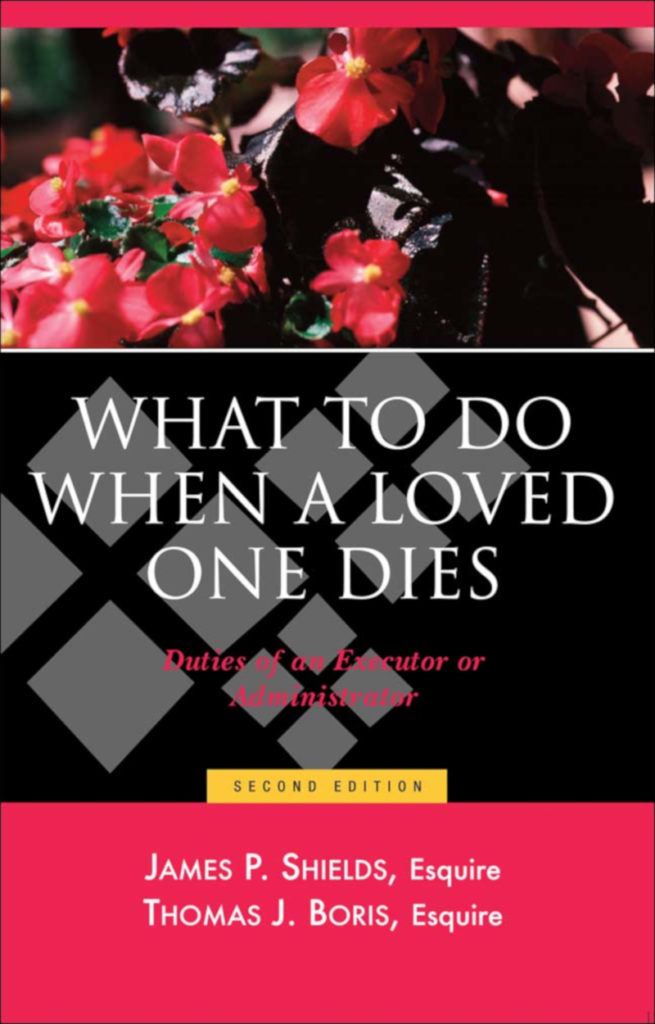
What To Do When A Loved One Dies
Consumers and financial planners, use this book as a down-to-earth primer of estate planning and elder law! Learn about the duties, rights, and responsibilities of the executor or administrator of an estate and what you should expect from competent legal counsel when you have to probate an estate. Find tools such as a guide to help you retain competent counsel and even an estate organizer so you can organize your own affairs.
Download!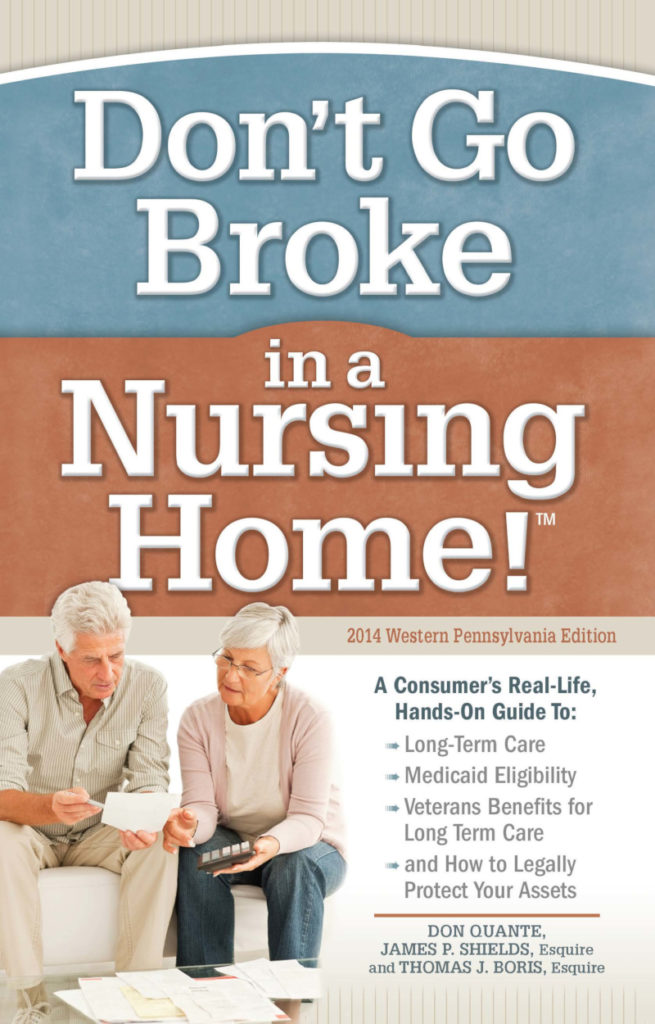
Don't Go Broke in a Nursing Home
Take back control of your life and provide excellent long-term care for your aging loved ones without going broke in the process. Find creative financial strategies to protect your assets and the quality of care you receive. In addition, learn about little-known tax incentives, how to choose the right home care providers, long-term care facilities, and how to manage the crisis.