Protecting the Family Home: Asset Protection Strategies for Long-Term Care Planning
Posted on March 15, 2026 by shieldsandboris
Long-term care is extremely expensive. The annual cost of a nursing home in Pennsylvania can easily run into the six figures. Given the challenges, it is imperative that families are prepared. You need to know how to protect your assets, especially the family home. As stressful as the process can be, the good news is that there are a number of different asset protection strategies available. Our Pennsylvania elder law attorneys can provide long-term care planning and asset protection strategies to help protect your family home.
Medicaid Planning Explained: How to Qualify for Benefits Without Losing Your Assets
Posted on February 8, 2026 by shieldsandboris
Long-term care is extraordinarily expensive. As Medicare generally does not cover long-term care (including nursing home care), it is imperative that your family has a proactive plan in place. Medicaid can help, but benefits are strictly means-tested. You need a strong plan in place to qualify without losing your assets. At The Elder Law Offices of Shields & Boris, Pennsylvania long-term care planning attorneys are proud to be leaders in estate planning and elder law for people and families across Western Pennsylvania.
The Key Role of Estate Planning in a Successful Retirement Strategy
Posted on January 10, 2026 by shieldsandboris
Are you preparing for retirement? It can be a complicated and at times even overwhelming process. Estate planning is an important (and too often overlooked) aspect of retirement planning. At The Elder Law Offices of Shields & Boris, we are proud to be Western Pennsylvania's premier law firm for elder law and estate planning. It is our goal to ensure that you have access to the information that you need to do right by yourself and your family.
Probate vs. Non-Probate Assets: What You Need to Know to Plan Effectively
Posted on December 13, 2025 by shieldsandboris
Asset protection matters. A proactive approach can put you and your family in the best possible position to plan for the future. One of the big considerations that you need to keep in mind is whether property/assets are probate or non-probate. At The Elder Law Offices of Shields & Boris, we are proud to be leaders in estate planning and elder law in Western Pennsylvania. Our Pennsylvania elder law attorney can explain the difference between probate and non-probate assets.

A Guide to Alzheimer's Care
Planning for someone who has Alzheimer’s disease can be complicated. Proper planning in advance can help alleviate many frustrations as the disease progresses. The time to act is now. Learn the steps for proper planning from our eBook to ensure that things are handled according to your wishes and that you’ve taken the best steps possible to protect your loved ones and your family’s financial security.
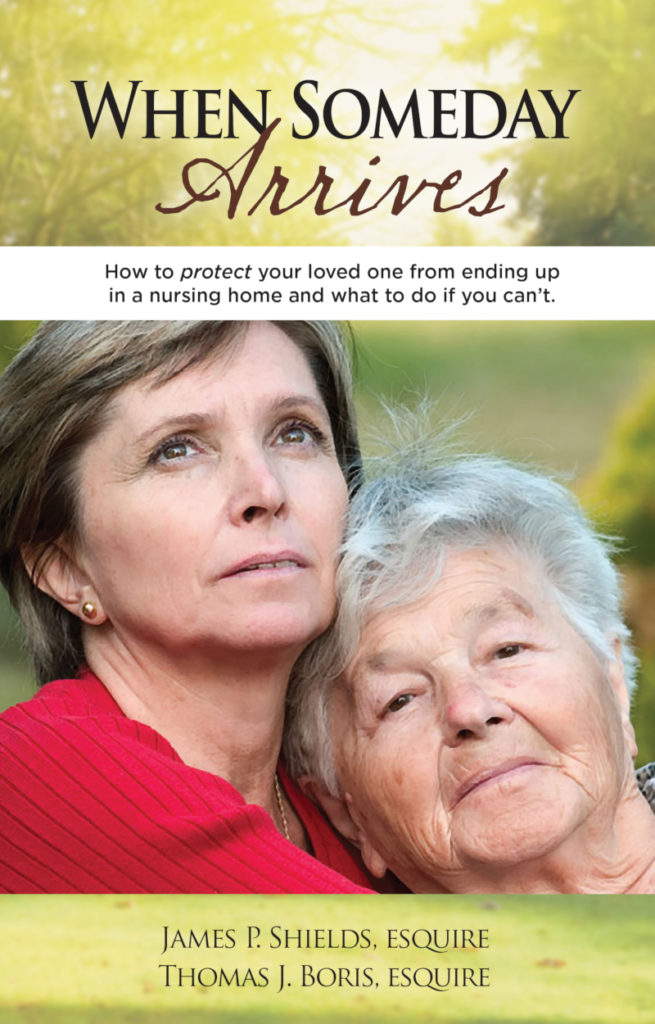
When Someday Arrives
We wrote this book for retirees and child caregivers as a tool to allow you to stay at home as long as possible and as a guide of what to do if you or a loved one cannot stay at home. We believe every family has a legacy to protect, and it is our job to protect that legacy. The greatest risk to today’s retiree is a long-term care health crisis. Request your copy today to prepare for what the future holds.

What To Do When A Loved One Dies
Consumers and financial planners, use this book as a down-to-earth primer of estate planning and elder law! Learn about the duties, rights, and responsibilities of the executor or administrator of an estate and what you should expect from competent legal counsel when you have to probate an estate. Find tools such as a guide to help you retain competent counsel and even an estate organizer so you can organize your own affairs.
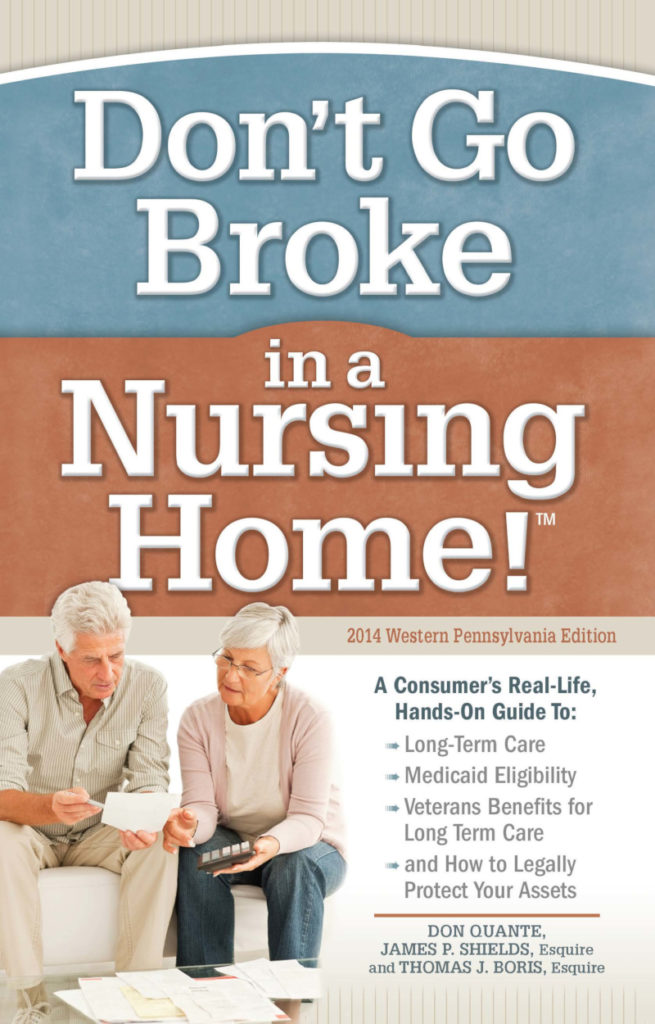
Don't Go Broke in a Nursing Home
Take back control of your life and provide excellent long-term care for your aging loved ones without going broke in the process. Find creative financial strategies to protect your assets and the quality of care you receive. In addition, learn about little-known tax incentives, how to choose the right home care providers, long-term care facilities, and how to manage the crisis.